
Long-term and short-term rental solve different problems. Long-term rental can offer simplicity and fewer turnovers. Short-term rental can provide flexibility for personal use and pricing, but it requires a much more active hospitality operation.
Start with the owner’s objective
An owner focused on simplicity may value a stable tenancy. An owner who uses the home for part of the year may value flexible availability. There is no meaningful comparison without defining the owner’s objective first.
Compare revenue after operating costs
A higher nightly rate does not automatically produce a better annual result. Cleaning cycles, platform costs, management, consumables and maintenance all matter.
A serious comparison uses realistic occupancy and full operating assumptions instead of multiplying an optimistic nightly rate by 365.
Location changes the answer
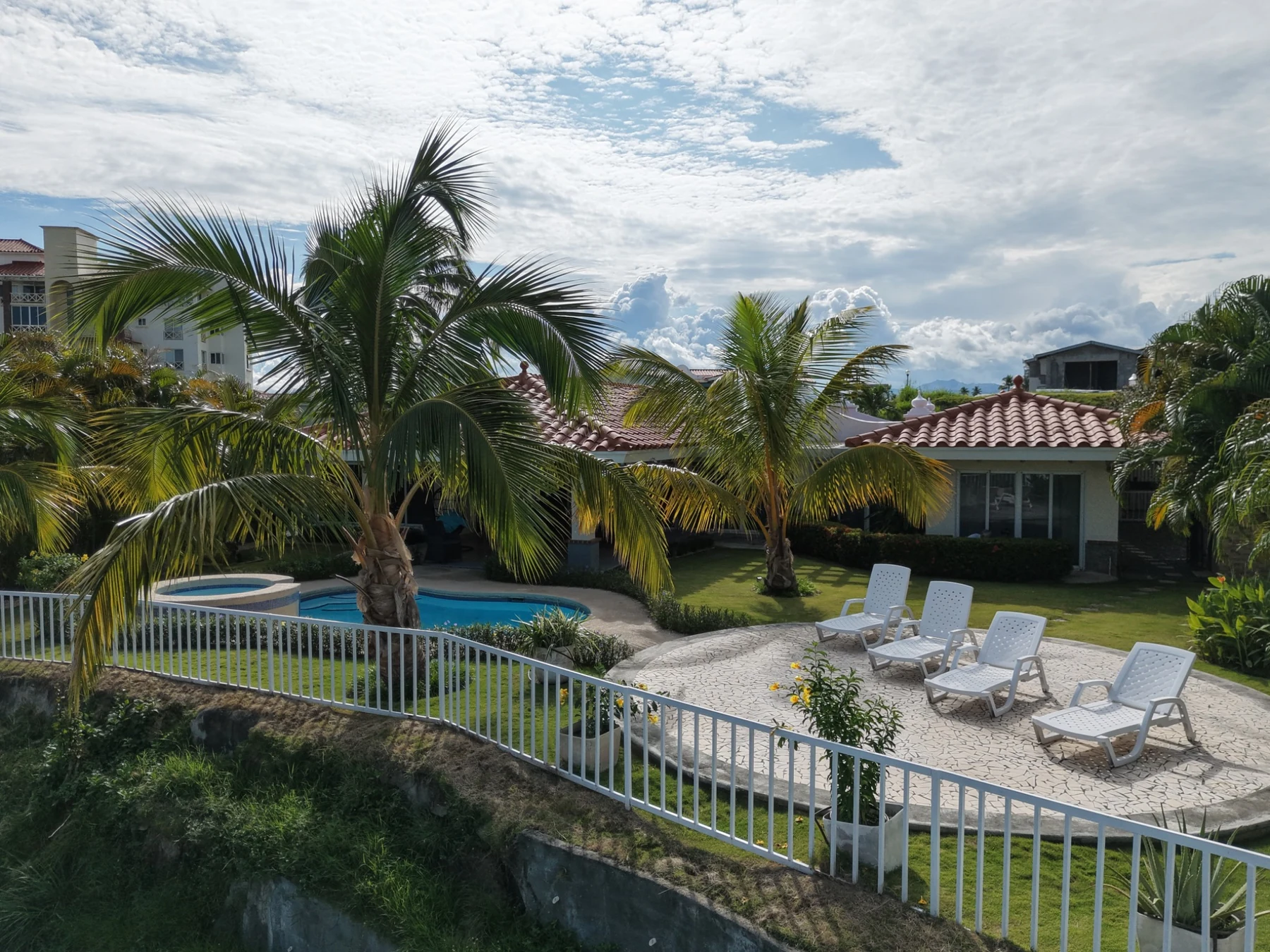
Tourism demand can vary substantially between destinations and between properties in the same area. A pool, view, layout, condition and guest appeal can materially change how a property competes.
Consider personal-use flexibility
Short-term rental can allow owners to reserve dates for themselves, but those dates are no longer available for guests. Long-term tenancy provides less flexibility. Personal use therefore belongs in the strategy discussion.
A property-specific strategy matters
There is no universal revenue, occupancy or management formula that applies to every property in Panama. Location, property type, guest appeal, owner availability and the local operating environment all matter. Eden Getaways reviews these factors before proposing a management relationship.